
The Taj Mahal. Agra, India. @IntoAsia

Wat Arun temple at dusk. Bangkok, Thailand. @IntoAsia

On Kipling`s Junglebook.
Did you ever read `the Jungle Book` and the story of the boy Mowgli who is raised by wolves in the Indian Jungle? Can you remember the names of the different animals that appear in the tale...Baloo the bear, Bagheera the black Panther, Akela the Alfa Wolf, Rikki Tikki Tavi the Mongoose or Shere Khan the evil Tiger ?
Thousands of kids have had the story read to them by their parents and other thousands have seen the movie, but few know that the Junglesetting in Kiplings Adventure actually does exist.
The English writer Rudyard Kipling was born in Bombay (Mumbai) and though he did not spend much time in India, the country provided the setting for many of his books.
The Jungle Book, which features delightful stories of animal behaviour and the law of the jungle, is set in the `Seonee Forests` of Kanha National Park in Central India in the state of Madhya Pradesh. The Tiger reserve and park is home to a wide range of wild animals, birds and insects.
Kanha today hosts around 80 BengalTigers, one of the highest tiger densities in India and is an important part of `Project Tiger,` which is Indias attempt to protect the endangered predator.
Rudyard Kipling wrote the tale of the Jungle Book in a bamboo hut on `Ngapali Beach` in Burma (Myanmar) in 1894 and it contains 14 stories for children from the Indian Jungles of Kanha.

Bangkoks classical teakhouses.
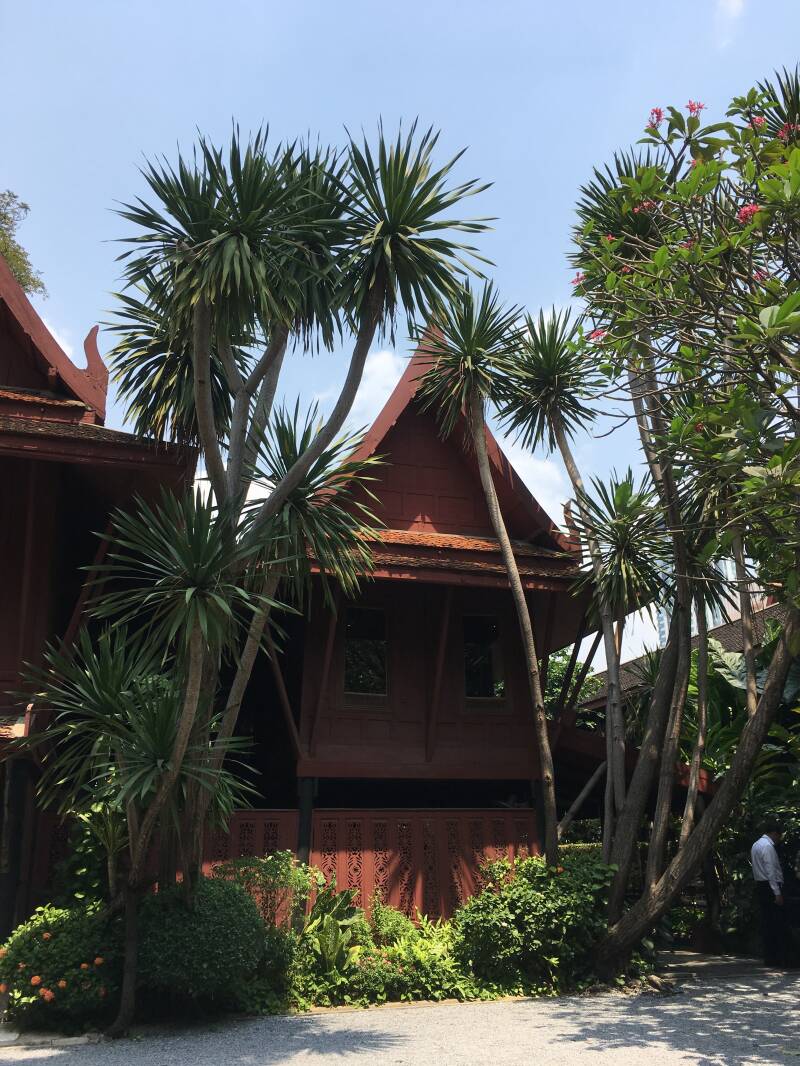
The use of teak in Thailand goes back centuries. It became the natural choice of timber because of its strength and its resistance to termites, moisture, and decay. Its remarkable durability allows it to last for decades. Traditionally, the basic structure of a house is raised off the ground on stilts, providing protection from flooding and wild animals. The houses are usually left unpainted, with only occasional applications of oil to help preserve the wood.
An interesting feature of many Thai houses is the unusually high door thresholds. This has a supernatural significance rooted in Thai Buddhism, as evil spirits are believed to travel only in straight lines and have no feet, preventing them from entering raised or obstructed spaces.
Most Thai homes also have a separate spirit house, known as sân phrá phum or sân tâa yâi, where spirits can reside at a safe distance from the interior of the family home.
Old teak houses can still be found in many rural parts of the country, as well as in a few remaining enclaves in Bangkok.
Exploring these houses offers a glimpse into Thailand’s and Bangkok’s past, allowing visitors to appreciate the beauty and simplicity of these remarkable dwellings.
The most famous of all traditional Thai teak houses is undoubtedly the former home of the American Jim Thompson, who built his residence in the heart of Bangkok in 1959. This Thai-style home — composed of six traditional teak houses brought from the Ayutthaya region and assembled along the banks of the Khlong Saen Saeb canal — is now one of the city’s major attractions.
Jim Thompson’s fascinating life, including his mysterious disappearance in the Cameron Highlands of Malaysia in March 1967, is a story of its own, and there is an extensive body of publications exploring it in detail.


Burmese wooden "Nat Spirit" within the Thompson House. @IntoAsia


#bangkok
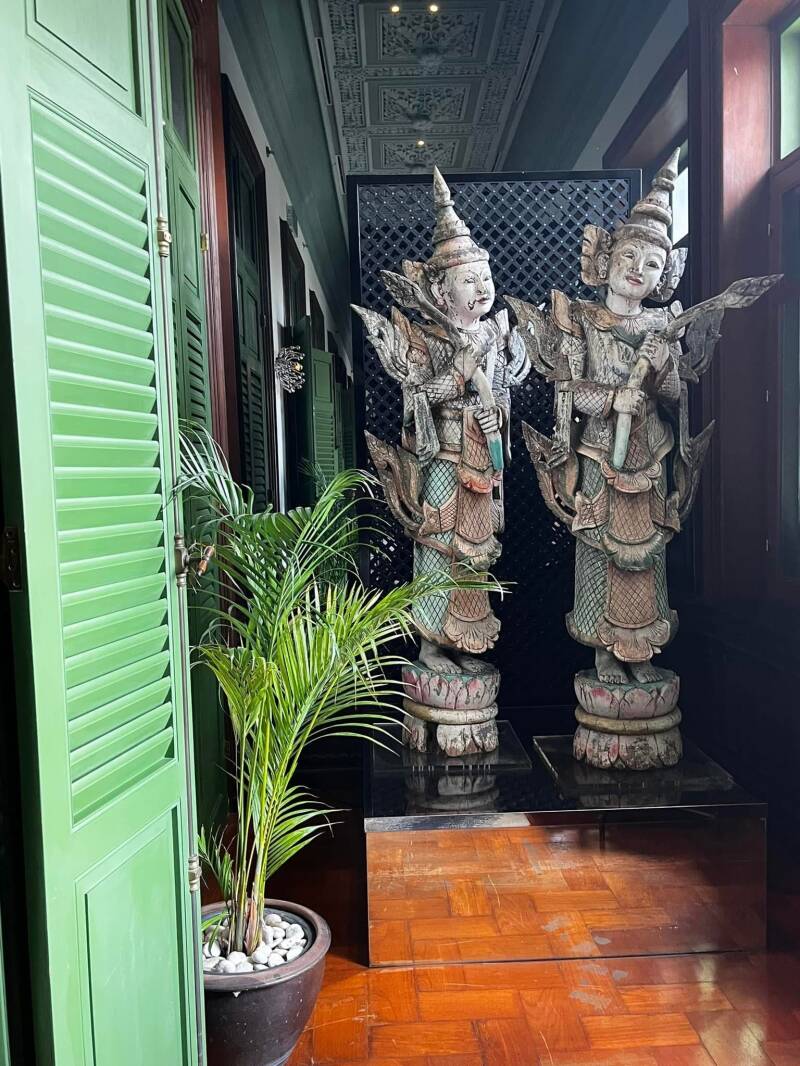
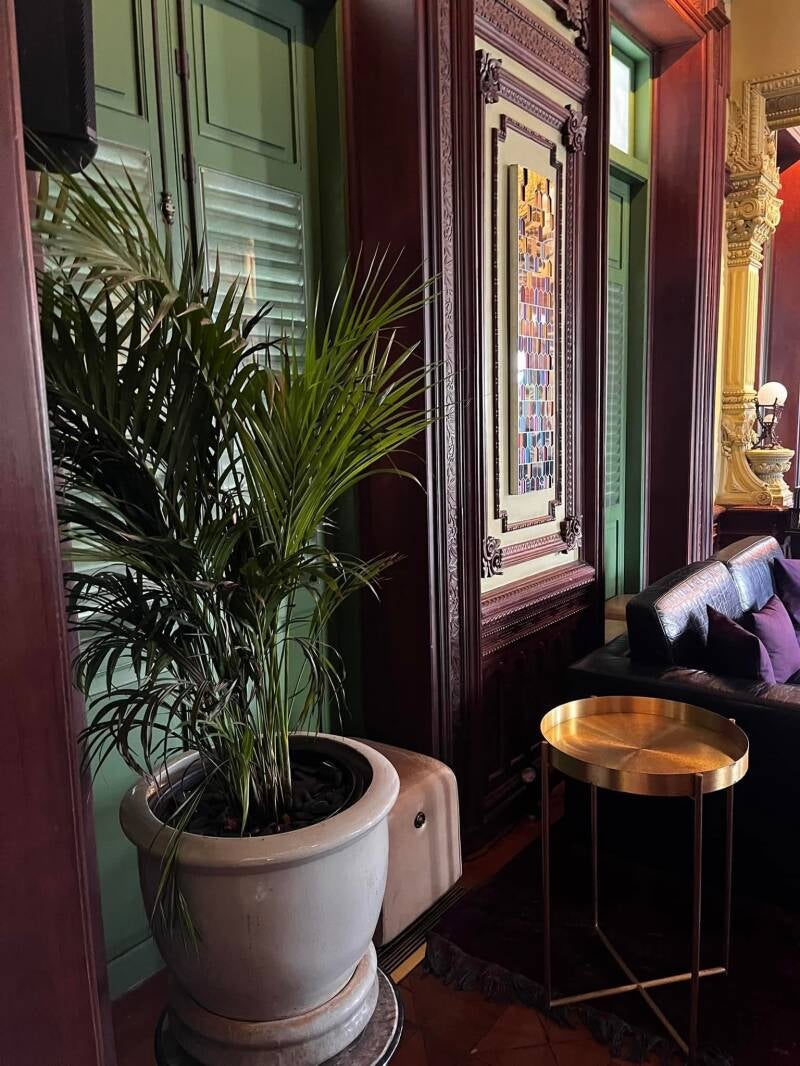
The House on Sathorn
This beautiful old Thai mansion once housed the Russian embassy and before that the upmarket Hotel Royal. Classical Thai style and a time slot in a fast moving metropolis.



@Cambodja.
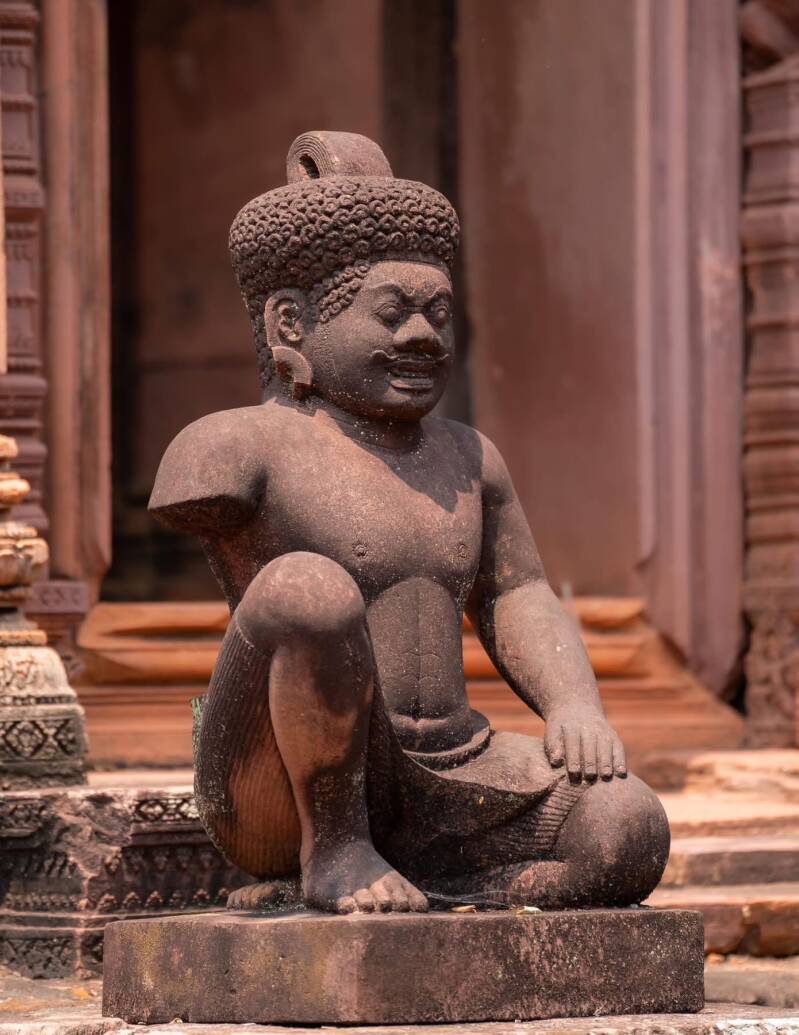
Otherworldly Angkor-templer and Stone structures in the Cambodian jungle.




Create Your Own Website With Webador